Phishing Attack Prevention: Complete Protection Guide for Businesses
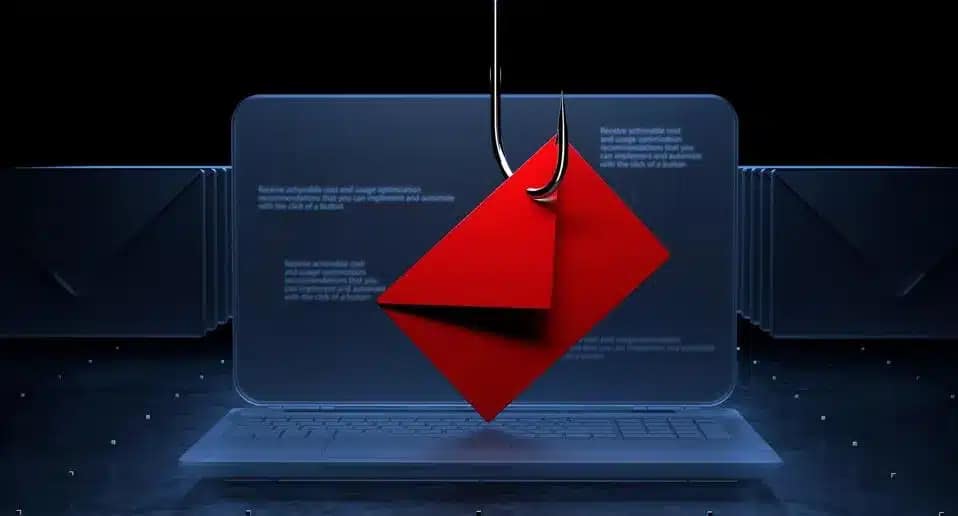
In the world of cybersecurity, the last thing you want is to have a target painted on you. – Tim Cook
Protecting your business from phishing attacks requires both employee awareness and professional cybersecurity expertise. At BlueRadius, we help businesses implement comprehensive phishing protection strategies that combine advanced technology with strategic security leadership through our virtual CISO services.
Phishing scams have become increasingly sophisticated, making it crucial for businesses and individuals to stay vigilant. These attacks not only threaten your immediate operations but can result in devastating financial losses, compliance violations, and reputational damage that takes years to recover from.
By partnering with experienced cybersecurity professionals, you’re not only defending your business against current threats but also building the foundation for long-term security resilience. Proactive protection measures, strategic planning, and cutting-edge technologies work together to safeguard your operations while supporting continued business growth.
Understanding Phishing: A Digital Threat to Your Business
Phishing scams have become increasingly sophisticated, making it crucial for businesses and individuals to stay vigilant. Phishing attacks typically target businesses through deceptive emails that appear to come from legitimate sources. These emails often contain malicious links or attachments designed to steal sensitive information such as login credentials, financial data, or personal details. Attackers craft these messages to mimic trusted entities like banks, partners, or even internal departments, making it difficult for employees to distinguish between genuine and fraudulent communications.
Beyond basic awareness, businesses need comprehensive security oversight to effectively combat phishing threats. Our managed security services provide 24/7 monitoring and advanced email filtering to detect sophisticated phishing attempts before they reach your employees.
Attackers often leverage advanced social engineering techniques to exploit human psychology and trust. By understanding the common tactics used in phishing attacks, you can better protect yourself and your business.
A typical phishing email may include:
- A sense of urgency, prompting immediate action to avoid negative consequences
- Official-sounding language and branding to mimic legitimate companies or authorities
- Attachments or links that appear trustworthy but lead to malicious content
Targeted attacks like spear phishing and whaling have raised the stakes significantly. Spear phishing targets specific individuals within an organization, often using personalized information gathered from social media or other sources. Whaling takes it a step further by focusing on high-level executives, aiming to gain access to critical company data.
Recognizing the signs of a phishing attack is your first line of defense. Look out for:
- Unusual sender addresses or domains that don’t match the official source
- Grammatical errors or odd phrasing that wouldn’t typically come from a professional organization
- Unexpected requests for confidential information or financial details
Implementing regular security awareness training for your team can significantly reduce the risk of falling prey to these scams. By fostering a culture of skepticism and verification, you empower employees to detect and report potential threats before they cause harm.
How Phishing Attacks Work: The Mechanics of Deception
Phishing attacks typically start with a seemingly legitimate email or message from a well-known company or trusted individual. These messages are crafted to look authentic, often including company logos, official language, and spoofed email addresses. The aim is to deceive the recipient into believing the message is genuine, leading them to click on a hyperlink or download an attachment.
Once the victim clicks on the link, they are directed to a fake website that resembles a real one. These counterfeit websites are designed to collect sensitive information such as usernames, passwords, credit card details, and other personal data. Attackers then use this information for various malicious activities, including identity theft, financial fraud, and unauthorized access to business accounts.
Besides traditional email phishing, there are other forms of phishing attacks:
Spear Phishing: This is a targeted attack aimed at a specific individual or organization. The attacker gathers detailed information about the target to craft personalized messages that are more likely to deceive.
Whaling: A type of spear phishing that targets high-profile individuals such as executives or public figures, often with the intent of accessing sensitive corporate information.
Smishing: Phishing conducted via SMS text messages. Victims receive messages that prompt them to click on malicious links or provide personal information directly via text.
HTTPS Phishing: Attackers create secure-looking websites with HTTPS protocols to trick victims into thinking the site is legitimate. These sites can capture sensitive data just as effectively as insecure ones.
Phishing attacks account for over 80% of reported security incidents, making them the most common attack vector facing businesses today.
Recognizing the Signs of a Phishing Attempt
Spotting a phishing attempt is the first line of defense against malicious attacks. Phishing attacks have evolved significantly over the years, with cybercriminals employing increasingly sophisticated techniques to deceive their targets. One of the latest trends is the use of highly personalized spear-phishing attacks. These attacks involve extensive research on the victim, allowing attackers to craft convincing emails that appear to come from trusted sources, such as colleagues or business partners. This personalization increases the likelihood of the victim falling for the scam.
Another emerging trend is the rise of phishing kits, which are pre-packaged tools that enable even novice cybercriminals to launch effective phishing campaigns. These kits often include templates for phishing emails and fake websites, as well as automated tools for harvesting credentials. The availability of these kits on the dark web has lowered the barrier to entry for cybercriminals, leading to an increase in the frequency and variety of phishing attacks.
Phishing attacks are also increasingly leveraging social media platforms. Cybercriminals use these platforms to gather information about their targets and to distribute phishing links. For example, attackers may create fake profiles or hijack legitimate accounts to send malicious links to the victim’s contacts. The social nature of these platforms can make the phishing attempts appear more credible and harder to detect.
These fraudulent messages often share several tell-tale signs that alert you to their suspicious nature:
- Generic Greetings: Be wary of emails that start with vague salutations like “Dear User” instead of your actual name
- Urgent Requests: Phishing emails often create a sense of urgency, pushing you to act quickly by clicking a link or providing personal information
- Grammatical Errors: Watch for spelling and grammatical mistakes, which are common indicators of phishing scams
- Suspicious Attachments: Avoid downloading attachments from unknown or unexpected sources, as they may contain malware
- Unfamiliar URLs: Hover over any links to verify the URL before clicking. Phishing sites often have slight variations in the web address to mimic legitimate sites
- Requests for Personal Information: Trusted organizations will never ask for sensitive information, such as passwords or social security numbers, via email
- Threats or Panic Inducement: Emails that threaten consequences if you do not respond or act immediately are typically scam attempts designed to create fear and prompt hasty actions
By staying vigilant and recognizing these red flags, you can protect yourself and your business from falling victim to phishing attacks. If you ever suspect a phishing attempt, always report it immediately to your IT department or relevant authorities to mitigate potential risks.
Why Phishing Attacks are Dangerous for Businesses
Phishing attacks are a significant threat to businesses, not only due to their immediate financial implications but also the long-term damage they can inflict. When an employee unwittingly clicks on a malicious link or divulges sensitive information, the consequences can be severe and far-reaching.
The financial impact of phishing attacks can be devastating. A successful attack often leads to compliance violations, especially for businesses handling sensitive data. Our team helps organizations maintain cybersecurity compliance while building robust defenses against social engineering attacks.
One of the most immediate dangers is the compromise of confidential data. Phishing scams often aim to steal private credentials, such as login details, financial information, or personal identification numbers. Once this information is obtained, cybercriminals can gain unauthorized access to company systems, potentially leading to data breaches that expose the personal information of customers and employees.
Moreover, phishing attacks can result in the installation of malware on company devices. This malicious software can disrupt operations, corrupt or steal data, and even provide attackers with remote control over the affected systems. The presence of malware can be difficult to detect and eradicate, often requiring significant time and resources to address.
Given the growing sophistication of phishing techniques, even well-trained employees can occasionally fall victim to these scams. Nearly one-quarter of phishing emails are opened, underscoring the need for robust technological defenses in addition to employee training. The combination of human vigilance and advanced security measures is essential to effectively protect businesses from this pervasive threat.
Building Professional-Grade Phishing Protection
Building effective phishing resistance requires strategic security leadership and comprehensive protection measures. A virtual CISO can help establish comprehensive security policies, coordinate employee training programs, and implement the technical controls necessary to prevent successful attacks.
Key components of our phishing protection approach:
Advanced Email Filtering: Our managed security services include sophisticated email filtering systems that use machine learning and threat intelligence to identify and block phishing attempts before they reach employee inboxes.
Employee Security Awareness Training: Regular, interactive training sessions educate employees on recognizing phishing attempts, understanding the consequences, and knowing what actions to take. We conduct realistic phishing simulations to test employee response and reinforce training lessons.
Multi-Factor Authentication Implementation: Adding extra layers of security makes it significantly harder for attackers to gain unauthorized access even if they obtain login credentials through phishing.
Incident Response Planning: Having a clear, tested response plan ensures your team knows exactly how to react when a phishing attempt is detected, minimizing potential damage.
Network Segmentation: Segmenting your network limits the spread of an attack should a phishing attempt be successful, containing potential damage to specific network segments.
Building a robust cybersecurity culture also involves fostering an environment where employees feel comfortable reporting potential threats. Encourage regular audits and provide clear channels for reporting suspicious activity.
The reality is that nearly one-quarter of phishing emails are opened even with prior training. This underscores the importance of a multi-layered security strategy, combining employee education with technological defenses to effectively mitigate the risks associated with phishing attacks.
Professional Assessment: Your First Line of Defense
Wondering how vulnerable your business currently is to phishing attacks? Our free cybersecurity assessment includes a comprehensive evaluation of your email security, employee awareness levels, and overall phishing vulnerability. This assessment provides the foundation for building an effective protection strategy.
During the assessment, our cybersecurity experts evaluate:
- Current email security configurations and filtering capabilities
- Employee awareness levels through controlled phishing simulations
- Existing security policies and procedures
- Technical controls and monitoring systems
- Incident response preparedness
The assessment results provide you with a clear understanding of your current risk level and actionable recommendations for improvement. Many businesses are surprised to discover vulnerabilities they weren’t aware of, making this assessment an invaluable first step in building comprehensive phishing protection.
The Economic Benefits of Investing in Phishing Protection
Investing in phishing protection yields substantial economic benefits for businesses of all sizes. Smart businesses recognize that phishing protection is an investment, not an expense. Understanding the cost of virtual CISO services versus the potential losses from successful attacks makes the ROI calculation clear. Professional cybersecurity guidance helps organizations implement cost-effective protection strategies.
First and foremost, phishing protection helps prevent the direct financial losses that can result from successful attacks. These losses can include stolen funds, costs associated with identity theft, and expenses related to recovering compromised accounts or systems.
30% of phishing emails are opened by targeted users, highlighting the critical need for proactive protection measures.
“The only secure computer is one that’s unplugged, locked in a safe, and buried 20 feet under the ground in a secret location… and I’m not even too sure about that one.” – Dennis Hughes
Furthermore, proactive phishing protection can save businesses from significant reputational damage. When a company falls victim to a phishing attack, it can erode customer trust and loyalty, potentially leading to lost business and decreased revenue. Implementing robust security measures demonstrates a commitment to safeguarding customer data, thereby enhancing your brand’s reputation and fostering long-term customer relationships.
Organizations that prioritize phishing protection often see reduced insurance premiums. Insurance providers may offer lower rates to businesses that implement comprehensive cybersecurity measures, recognizing the reduced risk of cyber incidents. This cost-saving advantage further underscores the economic benefits of investing in phishing protection.
Key economic benefits include:
- Prevention of direct financial losses
- Protection against reputational damage
- Reduction in costly downtime
- Potential for lower insurance premiums
- Improved customer trust and retention
Future-Proofing Your Business Against Evolving Phishing Threats
With the constant evolution of phishing attacks, simply addressing current threats isn’t enough. Future-proofing your business requires a proactive and dynamic approach to cybersecurity. Here are key strategies to help your organization stay resilient against future phishing threats:
Advanced AI-Powered Email Filtering: Implement email filtering systems that leverage artificial intelligence and machine learning to detect and block suspicious emails before they reach your employees’ inboxes. These systems can adapt to new phishing techniques, providing a robust first line of defense.
Regular Software Updates and Patching: Unpatched software can be an easy target for cyber attackers. Ensure that all your programs, including email clients and web browsers, are up to date with the latest security patches.
Multi-Factor Authentication (MFA): MFA adds an extra layer of security by requiring more than one form of verification to access accounts, making it significantly harder for attackers to gain unauthorized access even if they obtain login credentials.
Comprehensive Security Awareness Training: Develop a cybersecurity awareness training program tailored to your organization. Continuous education empowers your employees to recognize and report potential phishing attempts, reducing the risk of successful attacks. Regular simulated phishing exercises keep their skills sharp.
Zero-Trust Security Model: Consider implementing a zero-trust security approach, where no one is trusted by default, regardless of whether they are inside or outside the network perimeter. This approach ensures that verification is required from everyone attempting to access resources within your organization.
By proactively implementing these strategies, your business will be better positioned to fend off not just current, but also future phishing threats, ensuring ongoing security and peace of mind.
How BlueRadius Protects Your Business from Phishing
BlueRadius offers comprehensive phishing protection through multiple integrated service approaches designed to provide complete coverage against evolving threats:
Virtual CISO Leadership: Our virtual CISO services provide strategic oversight for your entire phishing prevention program, from policy development to incident response coordination. A virtual CISO ensures your phishing protection strategy aligns with business objectives and compliance requirements.
24/7 Security Monitoring: Through our managed security services, we provide continuous email filtering, threat detection, and response capabilities to stop phishing attacks before they impact your business. Our security operations center monitors for emerging threats around the clock.
Compliance Support: Many phishing attacks target businesses to compromise compliance requirements. We help organizations maintain SOC 2 compliance while building robust anti-phishing defenses that meet regulatory standards.
Cost-Effective Protection: Understanding virtual CISO pricing helps businesses budget for comprehensive protection that includes phishing prevention as part of a broader security strategy. Our flexible service models ensure you get enterprise-level protection at a cost that fits your budget.
Comprehensive Security Assessments: Our security experts conduct thorough evaluations of your current phishing vulnerability and provide actionable recommendations for improvement.
By partnering with BlueRadius, you gain access to enterprise-level phishing protection capabilities typically available only to large corporations, but scaled and priced appropriately for growing businesses.
Ready to strengthen your business against phishing attacks? Start with our free cybersecurity assessment to identify vulnerabilities and develop a customized protection strategy. Our team combines advanced technology with strategic security leadership to keep your business safe from evolving phishing threats.
Related from the BlueRadius Library
Sourced posts on adjacent topics, ranked by tag overlap.
Leadership
12 Questions to Ask Before Hiring a vCISO (2026)
Hiring a virtual CISO? Ask these 12 questions first, covering scope, frameworks, pricing, integration, references, and how to evaluate the answers.
ReadLeadership
12 Cybersecurity Questions Every Board Should Ask (2026)
The 12 cybersecurity questions every board should ask management: top risks, ransomware, SEC disclosure, vendor risk, IR readiness, and AI governance.
ReadLeadership
The I-35 Cybersecurity Gap: Why Central Texas Businesses Between Austin and Dallas Are Underserved
Central Texas businesses between Austin and Dallas lack dedicated cybersecurity providers. Why the I-35 corridor needs real security leadership.
ReadLeadership
Cybersecurity Board Reporting: Executive Dashboard & Metrics Guide 2025
The 2026 cybersecurity board reporting framework: the eight metrics that matter, how to frame risk, and a CISO template that prevents pushback.
ReadLeadership
Security Risk Assessment: The Complete Guide for Business Leaders
A structured 5-step security risk assessment for business leaders: asset inventory, threat modeling, vulnerability mapping, controls, and remediation.
ReadLeadership
Post-Acquisition Cybersecurity Integration: The First 100 Days After Close
How to integrate and secure an acquired company in the first 100 days after close, before hidden risks become incidents.
ReadRelated services