HIPAA Compliance Checklist 2025: Complete Guide for Healthcare Practices
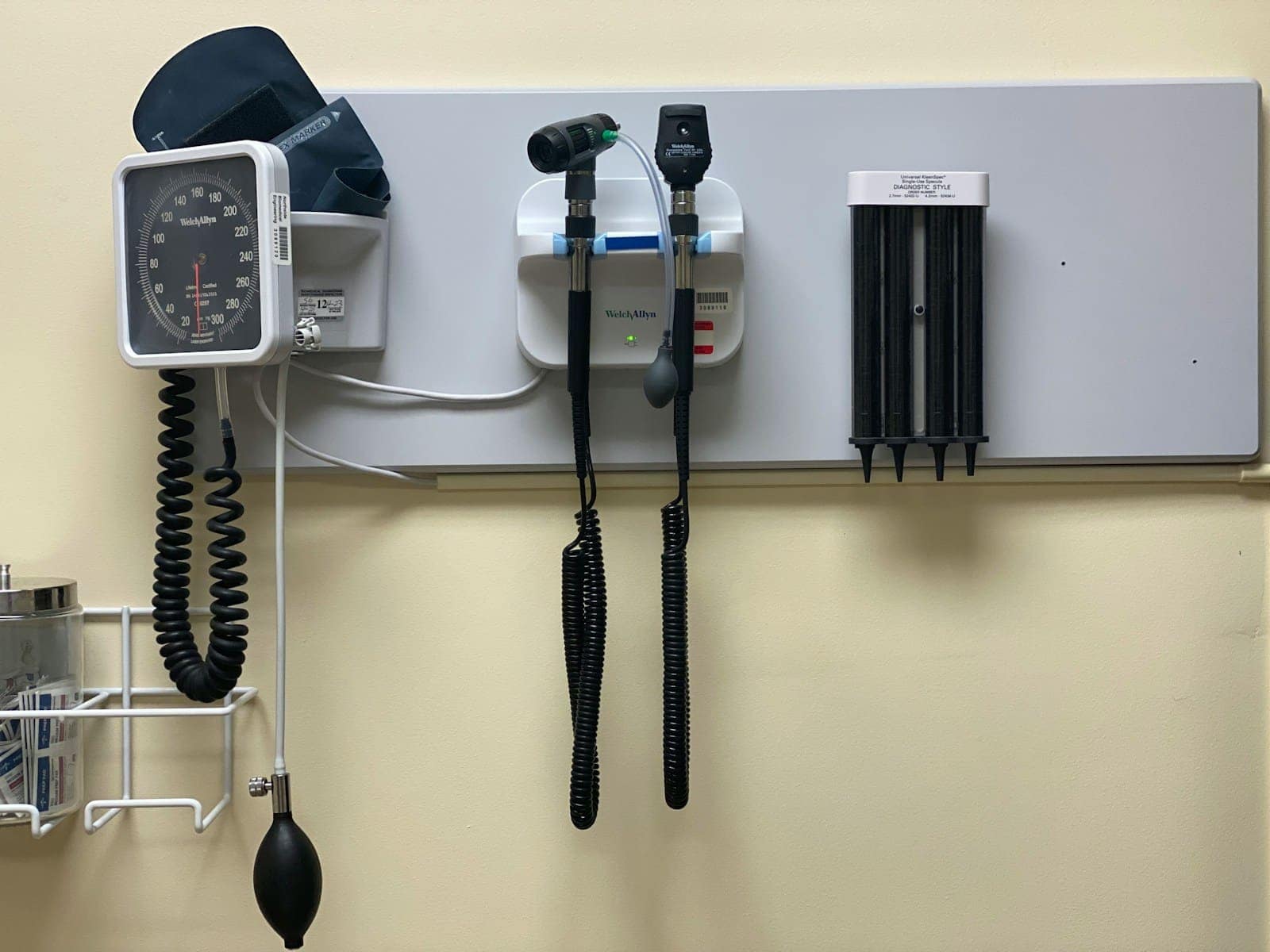
Healthcare practices across the United States face increasing complexity in maintaining HIPAA compliance while delivering quality patient care. The Health Insurance Portability and Accountability Act (HIPAA) requires comprehensive safeguards for protected health information (PHI), with violations carrying penalties ranging from $100 to $50,000 per incident, and potential criminal charges for willful neglect.
This comprehensive HIPAA compliance checklist provides healthcare practices with actionable steps to ensure patient data protection, avoid costly violations, and maintain the trust essential for successful healthcare delivery. Understanding and implementing these requirements protects both patients and practices from the devastating consequences of data breaches and regulatory violations.
Understanding HIPAA Requirements: Core Components
HIPAA compliance encompasses three primary rules that healthcare practices must implement comprehensively: the Privacy Rule, Security Rule, and Breach Notification Rule. Each rule addresses specific aspects of patient data protection with detailed requirements for policies, procedures, and technical safeguards.
The Privacy Rule: Patient Information Protection
The HIPAA Privacy Rule establishes standards for protecting individually identifiable health information in any form. Healthcare practices must implement administrative, physical, and technical safeguards to ensure patient information remains confidential and accessible only to authorized individuals for legitimate healthcare purposes.
Key Privacy Rule Requirements:
- Notice of Privacy Practices distribution to all patients
- Patient authorization procedures for PHI disclosure
- Minimum necessary standards for information access
- Individual rights management including access and amendment requests
- Complaint handling procedures and designated privacy officer appointment
The Security Rule: Technical Safeguards Implementation
The Security Rule specifically addresses electronic protected health information (ePHI) with detailed requirements for administrative, physical, and technical safeguards. Healthcare practices using electronic health records (EHR) systems must implement comprehensive security measures to protect digital patient information from unauthorized access, alteration, or destruction.
Core Security Rule Components:
- Administrative safeguards including security officer designation and workforce training
- Physical safeguards for computer systems, workstations, and data storage
- Technical safeguards including access controls, audit logging, and data encryption
- Incident response procedures for security breaches and system failures
The Breach Notification Rule: Incident Response Requirements
When PHI breaches occur, healthcare practices must follow specific notification procedures within strict timeframes. The Breach Notification Rule requires notification to patients, the Department of Health and Human Services (HHS), and potentially media outlets depending on breach scope and impact.
Comprehensive HIPAA Compliance Checklist
Administrative Safeguards Assessment
Privacy Officer and Security Officer Designation
- Designate a HIPAA Privacy Officer responsible for privacy policies and procedures
- Appoint a HIPAA Security Officer for ePHI security program oversight
- Document officer responsibilities and ensure adequate authority for compliance management
- Establish clear reporting relationships and accountability structures
- Provide specialized training for privacy and security officers
Workforce Training and Access Management
- Implement comprehensive HIPAA training program for all staff members
- Establish role-based access controls aligned with job responsibilities
- Document training completion and maintain ongoing education requirements
- Create access authorization procedures for new employees and contractors
- Implement access termination procedures for departing staff
Policy and Procedure Development
- Develop written privacy policies covering all HIPAA Privacy Rule requirements
- Create security policies addressing all Security Rule specifications
- Establish incident response procedures for breaches and security events
- Document patient rights procedures including access and amendment requests
- Implement complaint handling procedures with clear escalation paths
Business Associate Management
- Identify all business associates (vendors, contractors, cloud services) handling PHI
- Execute comprehensive business associate agreements (BAAs) with all vendors
- Monitor business associate compliance through regular assessments
- Establish procedures for business associate breach notification
- Maintain current inventory of all business associate relationships
Comprehensive Risk Assessment Covered entities must conduct regular, thorough cybersecurity risk assessments to identify vulnerabilities in their ePHI systems and implement appropriate safeguards.
Physical Safeguards Implementation
Facility Access Controls
- Implement physical access controls for areas containing PHI and ePHI systems
- Install badge readers, keypads, or biometric systems for sensitive areas
- Establish visitor management procedures including escort requirements
- Create clear workstation positioning guidelines to prevent unauthorized viewing
- Implement clean desk policies for areas handling patient information
Workstation and Device Security
- Configure automatic screen locks on all computers and mobile devices
- Position workstations to minimize unauthorized viewing of patient information
- Implement device encryption for laptops, tablets, and mobile devices
- Establish procedures for secure device disposal and data destruction
- Create inventory tracking for all devices accessing ePHI
Media and Data Storage Controls
- Implement secure storage for backup media and removable storage devices
- Establish procedures for secure transportation of PHI-containing media
- Create data destruction procedures meeting NIST standards
- Document media disposal activities with certificates of destruction
- Implement environmental controls protecting electronic equipment
Technical Safeguards Configuration
Access Control Systems
- Implement unique user identification for each person accessing ePHI
- Configure role-based access controls limiting system access to authorized functions
- Enable automatic logoff for idle computer sessions
- Implement multi-factor authentication for remote access and privileged accounts
- Establish emergency access procedures for critical patient care situations
Audit Logging and Monitoring
- Enable comprehensive audit logging on all systems handling ePHI
- Configure automated log review and alerting for suspicious activities
- Implement regular log analysis procedures to identify potential breaches
- Establish log retention policies meeting regulatory requirements
- Create incident investigation procedures using audit log evidence
Organizations seeking comprehensive ePHI monitoring should consider implementing managed security services designed specifically for healthcare environments.
Data Transmission Security
- Implement encryption for all ePHI transmission over public networks
- Configure secure email systems for sending patient information
- Establish VPN access for remote workforce connectivity
- Implement network segmentation isolating ePHI systems from general networks
- Create procedures for secure file sharing with authorized parties
Patient Rights Management
Notice of Privacy Practices
- Develop comprehensive Notice of Privacy Practices meeting HIPAA requirements
- Distribute notice to all patients at first service encounter
- Post current notice prominently in patient areas and on practice website
- Document patient acknowledgment of notice receipt
- Update notice when privacy practices change significantly
Patient Access and Amendment Rights
- Establish procedures for patients to access their medical records
- Implement timely response procedures meeting HIPAA deadlines
- Create patient amendment request procedures with appropriate review processes
- Document all patient requests and practice responses
- Provide clear information about patient rights and request procedures
Complaint Handling Procedures
- Designate staff responsible for receiving and investigating patient complaints
- Create documentation procedures for all privacy complaints
- Establish investigation timelines and resolution procedures
- Implement procedures for reporting complaints to appropriate authorities
- Provide patients with information about filing complaints with HHS
Industry-Specific Compliance Considerations for Healthcare Businesses
Small Healthcare Practices
Small healthcare practices (covered entities with fewer than 50 employees) often face unique compliance challenges due to limited resources and staff. However, HIPAA requirements apply equally regardless of practice size, making efficient compliance strategies essential for operational success.
Resource-Efficient Compliance Strategies:
- Cloud-Based Solutions: Leverage cloud-based EHR systems with built-in HIPAA compliance features
- Integrated Platforms: Implement software solutions combining multiple compliance functions
- Professional Services: Utilize virtual CISO services for strategic compliance guidance
- Phased Implementation: Focus on essential safeguards while building comprehensive programs over time
- Staff Cross-Training: Invest in employee education to ensure compliance continuity
Specialty Medical Practices
Different medical specialties face varying compliance challenges based on their patient populations, treatment modalities, and information sharing requirements. Specialty practices must address standard HIPAA requirements while managing unique aspects of their clinical operations.
Specialty-Specific Considerations:
- Mental health practices must address additional state confidentiality requirements
- Pediatric practices need procedures for managing minor patient information and parental access
- Surgical practices require specific safeguards for operative records and imaging studies
- Cardiology and other diagnostic specialties must secure complex imaging and test result data
- Multi-location practices need consistent policies across all operational sites
Healthcare Technology Integration
Modern healthcare practices increasingly rely on diverse technology solutions including EHR systems, patient portals, telemedicine platforms, and mobile health applications. Each technology integration requires careful HIPAA compliance evaluation and appropriate safeguard implementation.
Technology Compliance Requirements:
- Conduct HIPAA risk assessments for all new technology implementations
- Ensure business associate agreements cover all third-party technology providers
- Implement appropriate technical safeguards for each system and application
- Establish data integration security procedures protecting PHI during transfers
- Monitor emerging technologies for compliance implications and opportunities
Common HIPAA Violations and Prevention Strategies
High-Risk Areas for Healthcare Practices
Understanding common violation patterns helps healthcare practices focus their compliance efforts on areas with the highest risk of regulatory action and patient privacy breaches.
Frequent Violation Categories:
- Inadequate staff training leading to inappropriate PHI disclosures
- Insufficient access controls allowing unauthorized system access
- Missing or inadequate business associate agreements
- Failure to conduct required risk assessments and implement appropriate safeguards
- Inadequate incident response resulting in delayed breach notifications
Prevention Strategies:
- Implement regular compliance audits identifying potential vulnerabilities
- Establish ongoing staff education programs with regular testing and reinforcement
- Create comprehensive policies addressing all aspects of patient information handling
- Monitor industry violation trends and adjust compliance programs accordingly
- Invest in technology solutions providing automated compliance monitoring and reporting
Incident Response and Breach Management
Effective incident response procedures minimize the impact of security events while ensuring compliance with breach notification requirements. Healthcare practices must prepare for various incident types and establish clear response protocols.
Essential Incident Response Components:
- Immediate containment procedures limiting breach scope and impact
- Forensic investigation capabilities determining breach extent and cause
- Patient notification procedures meeting HIPAA timeline requirements
- Regulatory reporting procedures for HHS and potentially state authorities
- Media notification procedures for large-scale breaches
Building Long-Term Compliance Programs
Ongoing Risk Assessment and Management
HIPAA compliance requires continuous attention and regular reassessment as healthcare practices evolve their operations, technology, and patient services. Successful compliance programs implement systematic approaches to identifying and addressing emerging risks.
Risk Assessment Best Practices:
- Conduct comprehensive annual risk assessments covering all HIPAA requirements
- Implement quarterly mini-assessments focusing on high-risk areas
- Monitor industry threat intelligence and adjust safeguards accordingly
- Assess compliance implications of all operational and technology changes
- Document risk assessment findings and remediation activities
Continuous Improvement Strategies:
- Establish compliance metrics tracking program effectiveness over time
- Implement regular policy and procedure reviews with updates as needed
- Monitor staff compliance through auditing and testing procedures
- Benchmark compliance programs against industry best practices
- Invest in professional development for privacy and security officers
Professional Support and Resources
Many healthcare practices benefit from professional cybersecurity and compliance services that provide specialized expertise while allowing clinical staff to focus on patient care. Professional services can supplement internal capabilities and provide objective assessments of compliance programs.
Professional Service Benefits:
- Expert Guidance: Navigate complex compliance requirements and implementation strategies
- Objective Assessment: Identify vulnerabilities through independent regulatory compliance audits
- Incident Response: Specialized capabilities minimizing breach impact and regulatory exposure
- Ongoing Support: Reduce internal administrative burden through managed cybersecurity services
- Industry Expertise: Adapt to evolving regulatory requirements with healthcare-focused guidance
Healthcare practices seeking comprehensive HIPAA compliance support can benefit from professional managed security services that understand both regulatory requirements and healthcare operational realities. Experienced cybersecurity providers help practices implement efficient compliance programs while maintaining focus on quality patient care.
Implementation Timeline and Priorities
Phase 1: Foundation Building (Months 1-2)
Critical First Steps:
- Designate Privacy and Security Officers with clear responsibilities
- Conduct comprehensive risk assessment identifying current compliance gaps
- Implement basic administrative safeguards including policies and training programs
- Execute business associate agreements with all vendors handling PHI
- Establish incident response procedures and contact information
Phase 2: Technical Implementation (Months 2-4)
Technical Safeguard Deployment:
- Configure access controls and user authentication systems
- Implement audit logging and monitoring capabilities
- Deploy encryption for data transmission and storage
- Establish network security controls and monitoring
- Test and document all technical safeguard configurations
Phase 3: Program Maturation (Months 4-6)
Advanced Compliance Activities:
- Implement comprehensive staff training and testing programs
- Establish ongoing compliance monitoring and reporting procedures
- Conduct compliance audits and testing exercises
- Refine policies and procedures based on operational experience
- Build relationships with professional compliance support resources
Phase 4: Ongoing Management (Ongoing)
Continuous Compliance Activities:
- Maintain regular risk assessments and compliance monitoring
- Update policies and procedures as regulations and operations evolve
- Provide ongoing staff education and training reinforcement
- Monitor industry trends and emerging compliance requirements
- Conduct periodic third-party compliance assessments
Measuring Compliance Program Effectiveness
Key Performance Indicators
Effective HIPAA compliance programs require measurable objectives and regular assessment of program performance. Healthcare practices should establish metrics tracking both compliance activities and outcomes.
Essential Compliance Metrics:
- Staff training completion rates and assessment scores
- Incident response times and resolution effectiveness
- Risk assessment findings and remediation timelines
- Patient complaint resolution rates and satisfaction
- Audit findings and compliance gap closure rates
Operational Impact Metrics:
- Patient trust and satisfaction scores related to privacy protection
- Staff confidence and compliance behavior improvements
- Operational efficiency improvements from streamlined compliance procedures
- Cost savings from avoided violations and improved risk management
- Technology utilization improvements supporting both compliance and patient care
Frequently Asked Questions About HIPAA Compliance
What are the three main HIPAA rules healthcare practices must follow?
The three core HIPAA rules are:
- Privacy Rule – Protects all individually identifiable health information
- Security Rule – Establishes safeguards for electronic protected health information (ePHI)
- Breach Notification Rule – Requires notification when PHI is compromised
How often should healthcare practices conduct HIPAA risk assessments?
HIPAA requires “periodic” risk assessments, with most experts recommending annual comprehensive assessments plus quarterly mini-assessments for high-risk areas. After significant system changes or security incidents, immediate reassessment is necessary.
What is the difference between covered entities and business associates?
- Covered Entities: Healthcare providers, health plans, and healthcare clearinghouses that handle PHI
- Business Associates: Third-party vendors, contractors, or partners who access PHI on behalf of covered entities
What are the penalties for HIPAA violations in 2025?
HIPAA violation penalties range from:
- $100-$50,000 per incident for civil violations (based on current HHS guidelines)
- Up to $1.5 million per incident category for repeat violations
- Criminal charges with potential jail time for willful neglect
Note: Penalty amounts are subject to change. Consult current HHS guidelines for the most up-to-date penalty structure.
How long do healthcare practices have to report a data breach?
- 60 days to notify affected patients
- 60 days to notify HHS (Office for Civil Rights)
- Immediately for breaches affecting 500+ individuals (media notification may be required)
What type of encryption is required for ePHI under HIPAA?
HIPAA doesn’t mandate specific encryption standards but requires “appropriate” technical safeguards. Most practices use AES-256 encryption for data at rest and TLS 1.2 or higher for data in transit.
Do small healthcare practices have different HIPAA requirements?
No, HIPAA compliance requirements are the same regardless of practice size. However, the Security Rule allows for scalable implementation based on size, complexity, and technical capabilities.
Protecting Your Healthcare Practice Through Comprehensive HIPAA Compliance
HIPAA compliance represents both a regulatory requirement and a fundamental component of quality healthcare delivery. Patients trust healthcare providers with their most sensitive personal information, and that trust depends on comprehensive protection of patient privacy and security.
Healthcare practices that implement thorough compliance programs protect themselves from costly violations while building the foundation for sustainable growth and patient satisfaction. Effective compliance programs enable practices to leverage technology for improved patient care while maintaining the security and privacy protections patients expect and deserve.
The complexity of HIPAA requirements and the evolving nature of cybersecurity threats make professional compliance support valuable for many healthcare practices. BlueRadius cybersecurity specialists who focus on healthcare can provide the expertise and resources needed to implement comprehensive compliance programs while allowing clinical staff to focus on patient care.
Ready to Strengthen Your HIPAA Compliance Program?
Don’t wait for a breach or audit to discover compliance gaps. Take action now to protect your patients and practice.
Free HIPAA Security Assessment
Get a comprehensive evaluation of your current compliance posture with our specialized healthcare cybersecurity assessment:
What’s Included:
- Complete review of administrative, physical, and technical safeguards
- Business associate agreement evaluation
- ePHI risk assessment across all systems
- Customized remediation roadmap with prioritized recommendations
- Regulatory compliance gap analysis
Schedule Your Free HIPAA Assessment →
Expert Consultation Available
Speak directly with our HIPAA compliance specialists:
- Phone: (800) 930-0989
- Email:
- Online: Schedule a consultation
Specialized Support for Healthcare Practices
Comprehensive Healthcare Cybersecurity Services:
- HIPAA compliance audits and implementation
- Virtual CISO services for strategic security leadership
- Managed security services with 24/7 ePHI monitoring
- Incident response planning and breach management
- Staff training and security awareness programs
Healthcare practices seeking to enhance their HIPAA compliance capabilities can benefit from professional cybersecurity assessment and implementation services. Expert cybersecurity providers understand both regulatory requirements and healthcare operational realities, helping practices implement efficient compliance programs that protect patients while supporting clinical excellence.
Ready to transform your practice’s cybersecurity and compliance posture? Contact BlueRadius today for your complimentary HIPAA security assessment and discover how comprehensive compliance programs can protect your patients while enabling practice growth.
Related from the BlueRadius Library
Sourced posts on adjacent topics, ranked by tag overlap.
Compliance
ISO 27001 vs SOC 2: Which Compliance Framework Does Your Company Need? (2026)
ISO 27001 vs SOC 2 compared: certification vs attestation, the shared control core, how to choose, and whether to pursue both. A 2026 mid-market guide.
ReadCompliance
PCI DSS 4.0.1 Compliance: A Mid-Market Guide for 2026
A PCI DSS 4.0.1 compliance guide for mid-market companies: merchant levels, SAQ selection, what changed in 4.0, and a step-by-step readiness checklist.
ReadCompliance
HIPAA Breach Report 2026: OCR Data, Ransomware Trends, and What Mid-Market Healthcare Must Do Next
Factual 2024 HIPAA breach analysis: 276 million records exposed, 725 OCR-reported breaches, and Change Healthcare at 190 million. Fully sourced.
ReadCompliance
SEC Cybersecurity Disclosure Rules: What Mid-Market Companies Need to Know in 2026
How SEC cybersecurity disclosure rules affect mid-market companies. Four-day reporting, board oversight, and what to prepare now.
ReadCompliance
McLean FedRAMP Compliance Services: Authorization for Government Cloud
McLean VA companies seeking FedRAMP authorization: expert guidance from readiness assessment to P-ATO and ATO for government cloud services.
ReadCompliance
San Diego Defense Contractor CMMC Compliance: A Complete Guide
San Diego defense contractors: achieve CMMC Level 2 compliance with guidance on CUI protection, NIST 800-171 controls, and certification.
ReadRelated services