Legal Industry Cybersecurity: Protecting Attorney-Client Privilege in the Digital Age
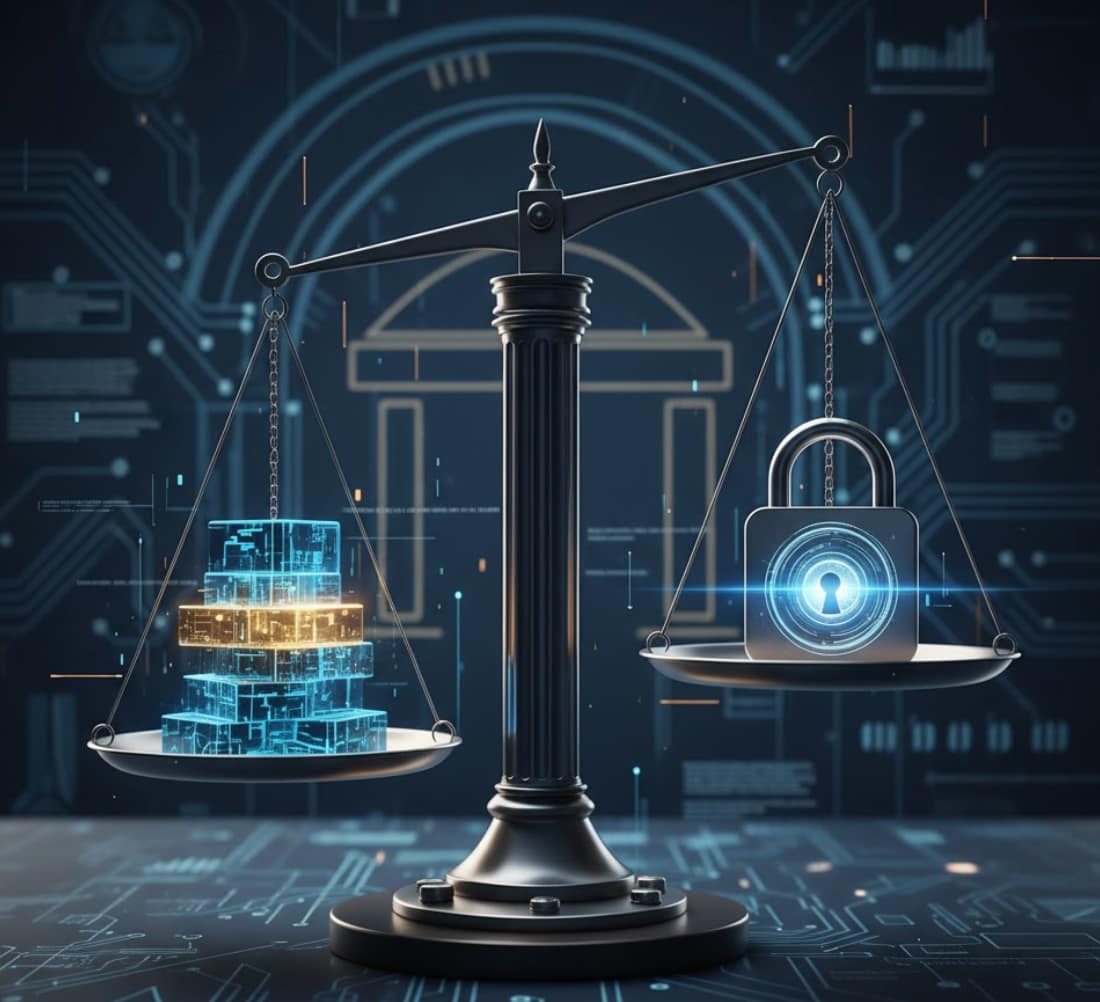
The legal profession faces a cybersecurity crisis that threatens the very foundation of attorney-client privilege. With 29% of law firms reporting security breaches according to the 2023 American Bar Association Legal Technology Survey, the legal industry can no longer treat cybersecurity as an optional consideration—it’s now a fundamental requirement for maintaining client trust and professional compliance.
Unlike other industries where data breaches primarily result in financial losses, law firms face a unique challenge: cyber incidents can permanently destroy attorney-client privilege, the cornerstone of legal representation. Recent court decisions have shown that poorly managed incident response can force disclosure of confidential communications, turning cybersecurity from a business issue into a legal malpractice concern.
The Unique Cybersecurity Landscape for Law Firms
Why Law Firms Are Prime Targets

Law firms represent high-value targets for cybercriminals due to the extraordinary sensitivity of their data repositories. Unlike typical businesses, law firms serve as custodians for:
- Intellectual property and trade secrets from corporate clients
- Financial statements and transaction details for M&A activities
- Personally identifiable information (PII) from individual clients
- Privileged communications protected by attorney-client confidentiality
- Litigation strategies and settlement information
- Regulatory compliance documentation
The 2023 ABA Cybersecurity TechReport reveals that law firms experience security incidents at rates comparable to other professional services, yet face significantly higher stakes when breaches occur. [1]
Attorney-Client Privilege: The Ultimate Security Requirement
Attorney-client privilege represents more than confidentiality—it’s a legal doctrine that can be permanently waived through improper cybersecurity incident handling. Recent federal court decisions have established precedents that should concern every legal practice:
In re Samsung Customer Data Security Breach Litigation (2024): The court ruled that Samsung’s forensic report was generated for business purposes because it was shared with 15 executives, including the security team. The wide distribution indicated the report was used for business decision-making rather than solely for legal defense. [2]
Guo Wengui v. Clark Hill, PLC (2021): The court found that the incident response report was not privileged because the “true objective” was obtaining cybersecurity expertise, not legal advice, and “substantially the same document would have been prepared as part of the ordinary course of business.” [3]
These cases demonstrate that standard incident response procedures used by other industries can inadvertently waive privilege for law firms.
ABA Model Rules: Cybersecurity as Professional Competence
The American Bar Association has established clear guidance that elevates cybersecurity from best practice to professional obligation:
Model Rule 1.1: Competence Requirement
ABA Model Rule 1.1 requires that lawyers provide competent representation, which now explicitly includes understanding and maintaining cybersecurity technologies. The rule’s commentary states that competent representation “includes the legal knowledge, skill, thoroughness and preparation reasonably necessary for the representation” and specifically notes the duty to understand “the benefits and risks associated with relevant technology.” [4]
Model Rule 1.6: Confidentiality Obligations
ABA Model Rule 1.6 mandates that lawyers “make reasonable efforts to prevent the inadvertent or unauthorized disclosure of, or unauthorized access to, confidential information relating to the representation of a client.” [5]
ABA Formal Opinion 477R provides seven specific factors lawyers must consider when determining appropriate cybersecurity measures:
- The nature of the threat
- How client confidential information is stored and transmitted
- The use of reasonable electronic security measures
- How electronic communications should be protected
- The need to label client information as privileged and confidential
- The need to train lawyers and non-lawyer assistants
- The need to conduct due diligence on technology vendors [6]
Model Rule 1.4: Communication Requirements
When data breaches occur, ABA Formal Opinion 483 establishes that lawyers must notify affected clients “in sufficient detail to keep clients reasonably informed” and with explanations “to the extent necessary to permit the client to make informed decisions regarding the representation.” [7]
However, the timing and scope of notification requirements differ significantly from typical business data breach notifications, as lawyers must balance client notification with privilege preservation.
Legal Industry-Specific Cybersecurity Challenges
1. Privilege-Preserving Incident Response
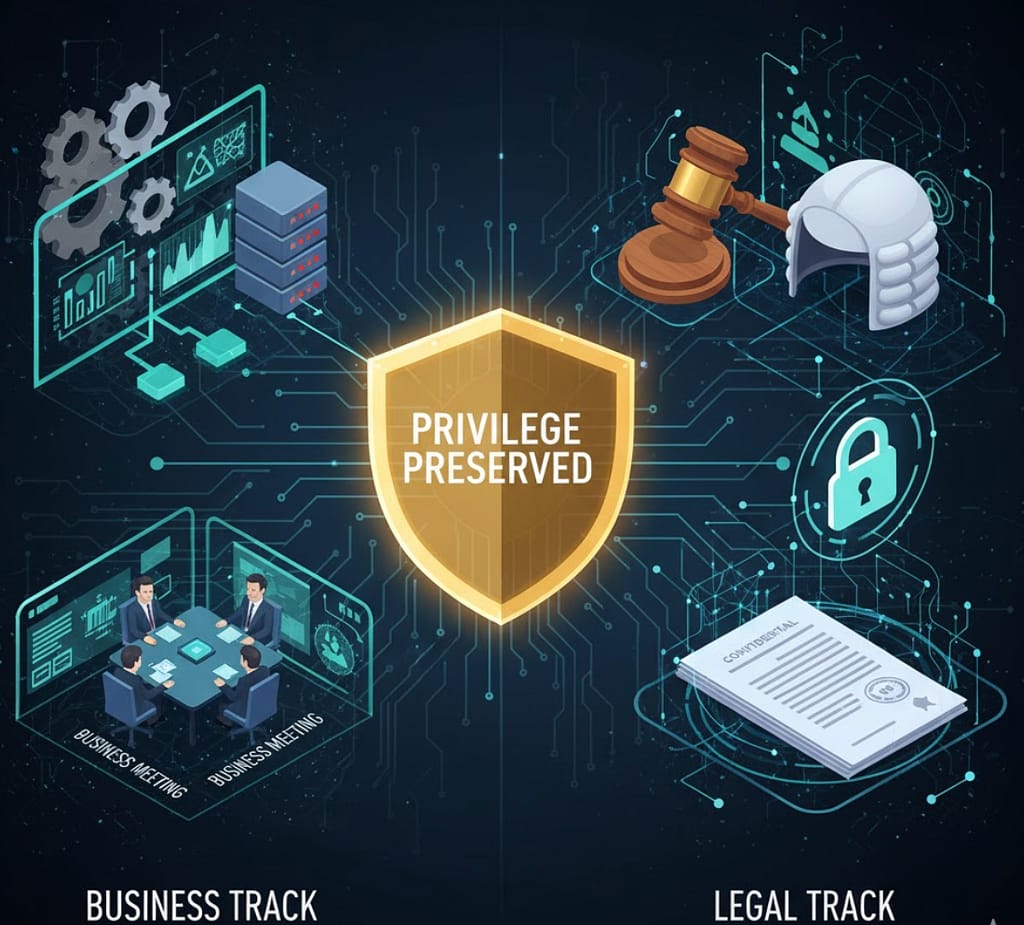
Traditional incident response procedures can destroy attorney-client privilege. Legal practices require specialized incident response protocols that maintain confidentiality while meeting investigative requirements.
Best Practice: Two-Track Investigation Method
The most effective approach involves establishing separate investigation tracks with specialized incident response services that understand legal privilege requirements:
- Business Track: Limited-scope investigation for operational continuity, paid from business accounts
- Legal Track: Comprehensive investigation conducted by outside counsel specifically for litigation preparation, paid from legal expense accounts with documented restricted circulation [8]
2. Regulatory Compliance Complexity
Law firms often handle data subject to multiple regulatory frameworks simultaneously:
HIPAA Compliance: Firms handling medical malpractice, personal injury, or healthcare regulatory matters may be considered business associates under HIPAA, requiring:
- Administrative safeguards (staff training, risk assessments, written policies)
- Physical safeguards (secure office access, device controls)
- Technical safeguards (encryption, access controls, audit logs)
- Business Associate Agreements with healthcare clients
- 60-day breach notification requirements [9]
State Privacy Laws: Firms must navigate varying state requirements for data protection, with some states imposing specific obligations on law firms beyond general business requirements. Understanding regulatory compliance requirements across multiple jurisdictions becomes essential for multi-state practices.
Many law firms benefit from implementing established security frameworks such as SOC 2 compliance or ISO 27001 certification to demonstrate their commitment to information security to clients and partners.
The Cost of Cybersecurity Failures in Legal Practice
Financial Impact Beyond Data Breach Costs
Law firm data breaches create cascading financial consequences that extend far beyond typical incident response costs:
Professional Liability Claims: Clients may pursue malpractice claims alleging that inadequate cybersecurity constitutes negligent representation.
Loss of Privilege: Once attorney-client privilege is waived due to improper incident handling, the firm may face ongoing discovery obligations in multiple matters.
Regulatory Sanctions: State bar associations increasingly view cybersecurity failures as ethical violations subject to disciplinary action, requiring comprehensive cybersecurity board reporting to demonstrate due diligence.
Client Defection: The 2023 ABA survey found that 27% of respondents reported clients requesting firm security requirements documents, indicating that cybersecurity has become a competitive differentiator. [10]
Reputational Damage in Professional Networks
Legal practice depends heavily on referral relationships and professional reputation. A significant cybersecurity incident can damage:
- Referral partner confidence in the firm’s ability to protect sensitive information
- Client acquisition as prospects increasingly evaluate security capabilities
- Professional standing within local and specialty bar associations
- Expert witness opportunities and other professional engagements
Essential Cybersecurity Controls for Law Firms
Technical Controls Aligned with ABA Requirements
Multi-Factor Authentication (MFA): Required for all systems accessing client data, particularly important for cloud-based legal practice management systems.
End-to-End Encryption: All client communications and file transfers must use encryption that meets or exceeds AES-256 standards.
Secure Email Solutions: Standard email platforms insufficient for privileged communications; firms need secure messaging platforms with proper encryption and access controls.
Backup and Recovery Systems: Must include both technical recovery capabilities and legal review processes to ensure privilege protection during restoration activities.
Network Segmentation: Separate client data systems from general business operations to limit breach scope and maintain privilege boundaries.
Administrative Controls for Legal Practice
Cybersecurity Policies and Procedures: Written policies addressing ABA Model Rule requirements, including specific procedures for privilege-preserving incident response.
Staff Training and Awareness: Regular cybersecurity education that addresses both technical threats and ethical obligations under professional conduct rules.
Vendor Due Diligence: Formal assessment processes for all technology vendors handling client data, including review of their security certifications and incident response procedures.
Access Management: Role-based access controls that limit client data exposure while maintaining operational efficiency for legal teams.
Physical Security Considerations
Law firms must address physical security challenges that differ from typical business environments:
Document Security: Physical files containing privileged information require specialized storage and access controls that maintain chain of custody for potential litigation.
Visitor Management: Client meeting areas must balance accessibility with security, ensuring confidential discussions cannot be overheard or recorded.
Mobile Device Management: Attorneys frequently work remotely and travel with sensitive client information, requiring robust mobile security policies and technical controls.
Implementing Legal Industry Cybersecurity Programs
Phase 1: Assessment and Planning
Risk Assessment: Comprehensive evaluation of current security posture with specific attention to privilege protection requirements and ABA Model Rule compliance gaps.
Business Impact Analysis: Understanding how security incidents could affect ongoing cases, client relationships, and professional obligations.
Regulatory Mapping: Identifying all applicable cybersecurity requirements based on practice areas, client types, and jurisdictions.
Phase 2: Core Security Implementation
Identity and Access Management: Implementing enterprise-grade access controls that support both security requirements and legal practice workflows.
Data Classification and Handling: Establishing clear procedures for identifying, labeling, and protecting different categories of client information.
Incident Response Planning: Developing privilege-preserving incident response procedures with clear escalation paths and decision points.
Phase 3: Ongoing Operations and Improvement
Continuous Monitoring: Implementing security monitoring solutions that provide early threat detection while maintaining attorney-client privilege.
Regular Training and Updates: Ongoing cybersecurity education for legal staff that addresses evolving threats and regulatory requirements.
Compliance Auditing: Regular assessments to ensure ongoing compliance with ABA Model Rules and other applicable cybersecurity requirements.
For law firms seeking comprehensive implementation support, many benefit from virtual CISO services that provide ongoing security leadership specifically designed for legal practices.
Advanced Security Considerations for Legal Practice
Cloud Security for Law Firms
Cloud adoption in legal practice requires special consideration for privilege protection:
Data Residency Requirements: Understanding where client data is stored and processed, particularly for international clients or matters involving foreign jurisdictions.
Shared Responsibility Models: Clearly defining security responsibilities between the law firm and cloud service providers, ensuring no gaps in protection.
Encryption Key Management: Maintaining control over encryption keys to ensure the firm can protect privilege even when using third-party platforms.
Legal Technology Security
E-Discovery Platform Security: Ensuring third-party e-discovery vendors meet privilege protection requirements and have appropriate access controls.
Practice Management Software: Evaluating security features of legal-specific software solutions, including backup procedures and incident response capabilities.
Document Review and Collaboration Tools: Implementing secure platforms for attorney-client collaboration that maintain privilege protection across all participants.
Specialized Compliance Requirements
Different practice areas introduce additional cybersecurity considerations:
Corporate Law: Enhanced protection for M&A transactions, including special handling procedures for due diligence materials and deal communications.
Criminal Defense: Additional protections for work product and case strategy materials, with enhanced attention to law enforcement access prevention.
Family Law: Special considerations for protecting sensitive personal information while complying with court-mandated disclosure requirements.
Intellectual Property Law: Advanced security measures for protecting client trade secrets and proprietary information during patent and trademark processes.
Building a Cybersecurity Culture in Legal Practice
Leadership Engagement
Successful legal industry cybersecurity programs require active engagement from firm leadership:
Partner Accountability: Establishing clear cybersecurity responsibilities for partners and senior associates, including regular reporting on security metrics and incidents.
Resource Allocation: Ensuring adequate budget allocation for cybersecurity measures, treating security as a fundamental practice expense rather than optional technology upgrade.
Client Communication: Developing clear communication strategies to address client security concerns and demonstrate the firm’s commitment to protecting confidential information.
Staff Engagement and Training
Role-Specific Training: Tailoring cybersecurity education to different roles within the firm, from attorneys to administrative staff to IT personnel.
Simulated Attacks: Regular phishing simulations and social engineering tests to maintain awareness of evolving threats.
Incident Reporting Culture: Creating an environment where staff feel comfortable reporting potential security incidents without fear of punishment.
Technology Integration
User-Friendly Security: Implementing security controls that support rather than hinder legal practice workflows, ensuring adoption and compliance.
Mobile Device Support: Providing secure mobile solutions that allow attorneys to work effectively while traveling or working remotely.
Client Portal Solutions: Offering secure client communication platforms that enhance rather than complicate attorney-client relationships.
For firms ready to implement comprehensive cybersecurity programs, managed security services specifically designed for legal practices can provide ongoing support and expertise.
Measuring Cybersecurity Effectiveness in Legal Practice
Compliance Metrics
ABA Model Rule Compliance: Regular assessment of compliance with professional conduct rules, including documentation of reasonable cybersecurity efforts.
Incident Response Effectiveness: Measuring the firm’s ability to respond to security incidents while maintaining attorney-client privilege.
Training Completion Rates: Tracking cybersecurity education completion across all firm personnel, with particular attention to continuing legal education requirements.
Vendor Risk Management: Monitoring the security posture of third-party technology vendors and service providers.
Operational Metrics
Security Incident Detection and Response Times: Measuring the firm’s ability to identify and respond to potential security threats.
System Availability and Performance: Ensuring security controls do not negatively impact attorney productivity or client service delivery.
Client Satisfaction: Monitoring client feedback regarding the firm’s security capabilities and communication about security measures.
Staff Productivity Impact: Assessing whether security controls enhance or hinder legal practice efficiency.
Business Impact Metrics
Client Acquisition and Retention: Tracking how cybersecurity capabilities affect new client acquisition and existing client satisfaction.
Professional Liability Costs: Monitoring malpractice insurance costs and claims related to cybersecurity issues.
Competitive Positioning: Assessing how security capabilities affect the firm’s competitive position in the legal market.
Revenue Protection: Measuring the firm’s ability to maintain client relationships and revenue streams despite evolving cybersecurity threats.
Future-Proofing Legal Practice Security
Emerging Threats Specific to Legal Practice
AI-Powered Social Engineering: Cybercriminals increasingly use artificial intelligence to create sophisticated phishing attacks targeting specific attorneys and their clients. These attacks may include deepfake audio or video content designed to trick attorneys into disclosing confidential information.
Cloud Platform Vulnerabilities: As legal practice management moves to cloud platforms, firms must ensure these solutions meet privilege protection requirements and maintain security as platforms evolve.
Supply Chain Attacks: Third-party legal technology vendors represent potential entry points for cybercriminals seeking access to privileged information. Recent supply chain attacks in other industries demonstrate the need for enhanced vendor security oversight.
Ransomware Targeting Legal Data: Attackers increasingly recognize the high value of legal data and may specifically target law firms with ransomware designed to encrypt privileged communications and case files.
Technology Trends Impacting Legal Cybersecurity
Virtual Practice Expansion: The growth of remote legal services requires new security frameworks while maintaining ABA Model Rule compliance across distributed work environments.
Legal AI Integration: As law firms adopt AI tools for research, document review, and case analysis, new security considerations emerge around client data processing, vendor relationships, and privilege protection.
Blockchain in Legal Practice: Smart contracts and blockchain-based legal transactions introduce novel security requirements and may affect traditional concepts of attorney-client privilege.
Internet of Things (IoT) in Legal Offices: Connected devices in law offices create new attack surfaces that must be managed while maintaining operational efficiency.
Regulatory Evolution
State Bar Cybersecurity Rules: Many state bars are developing specific cybersecurity requirements beyond current ABA Model Rules, requiring ongoing monitoring of regulatory changes.
Client Security Requirements: Corporate clients increasingly require law firms to meet specific cybersecurity standards, potentially including third-party audits and certifications.
International Compliance: Law firms handling international matters must navigate evolving data protection regulations like GDPR, requiring flexible security frameworks.
Court Technology Requirements: Courts increasingly require electronic filing and case management systems, introducing new security requirements for court-related communications.
Technology Solutions for Legal Industry Cybersecurity
Core Security Platform Requirements
Identity and Access Management (IAM): Enterprise-grade IAM solutions designed for legal practices must support role-based access controls that align with case teams and matter confidentiality requirements.
Security Information and Event Management (SIEM): SIEM platforms for law firms require specialized correlation rules that can identify legal-specific threats while maintaining privilege protection during security monitoring.
Data Loss Prevention (DLP): DLP solutions must understand legal document types and confidentiality markings, preventing unauthorized disclosure while supporting legitimate legal practice workflows.
Endpoint Detection and Response (EDR): EDR platforms must provide robust threat detection capabilities while ensuring that security monitoring does not compromise attorney-client privilege or work product protections.
Communication Security Solutions
Secure Email Gateways: Advanced email security solutions that provide encryption, threat detection, and compliance features specifically designed for legal communications.
Secure Messaging Platforms: Client communication platforms that maintain end-to-end encryption while supporting legal practice requirements for message retention and discovery.
Video Conferencing Security: Secure video platforms for client meetings that provide encryption, access controls, and recording capabilities that maintain privilege protection.
File Sharing and Collaboration: Secure document sharing platforms that support legal practice workflows while maintaining confidentiality and access controls throughout the document lifecycle.
Specialized Legal Technology Security
E-Discovery Security: Comprehensive security measures for e-discovery platforms, including data encryption, access controls, and audit trails that maintain privilege protection throughout the review process.
Practice Management Security: Security enhancements for legal practice management systems, including enhanced authentication, data encryption, and backup procedures designed for legal practice requirements.
Court Filing Security: Secure electronic filing systems that protect confidential information during court submissions while meeting court technology requirements.
Client Portal Security: Secure client portal solutions that provide convenient access to case information while maintaining robust authentication and access controls.
For law firms seeking to implement comprehensive technology solutions, cybersecurity assessments can help identify the most appropriate security technologies for specific practice needs and client requirements.
Building Incident Response Capabilities for Law Firms
Privilege-Preserving Investigation Procedures
Legal Hold Protocols: Specialized procedures for preserving electronic evidence during security incidents while maintaining attorney-client privilege and work product protections.
Two-Track Investigation Framework: Detailed implementation guidance for maintaining separate business and legal investigation tracks, including personnel assignments, communication protocols, and documentation procedures.
Outside Counsel Coordination: Procedures for engaging outside counsel for incident response activities, including retainer agreements and privilege protection protocols.
Client Notification Procedures: Frameworks for client notification that balance transparency requirements with privilege preservation and ongoing legal matter considerations.
Technical Investigation Capabilities
Forensic Analysis Procedures: Digital forensic procedures designed for legal environments, including chain of custody requirements and privilege protection during evidence analysis.
Threat Intelligence Integration: Incorporating threat intelligence capabilities that support legal practice security while maintaining confidentiality of firm operations and client information.
Damage Assessment Protocols: Procedures for assessing the scope and impact of security incidents, including specific considerations for privileged information exposure.
Recovery and Remediation: Technical recovery procedures that restore operations while maintaining security improvements and addressing privilege protection concerns.
Communication and Coordination
Internal Communication Plans: Crisis communication procedures for internal stakeholders, including partners, staff, and IT personnel, with clear protocols for maintaining confidentiality during incident response.
External Communication Management: Procedures for managing communications with clients, vendors, law enforcement, and regulatory authorities during security incidents.
Media Relations: Protocols for handling media inquiries during significant security incidents, including coordination with public relations professionals and preservation of client confidentiality.
Post-Incident Review: Comprehensive review procedures that assess incident response effectiveness while identifying opportunities for security program improvement.
Frequently Asked Questions
What makes law firm cybersecurity different from other industries?
Law firm cybersecurity must protect attorney-client privilege, which can be permanently waived through improper incident response. Standard business cybersecurity procedures often conflict with privilege preservation requirements, making specialized approaches necessary. Additionally, law firms face unique regulatory requirements under ABA Model Rules that treat cybersecurity as a professional competence issue rather than just a business risk.
Do small law firms need the same level of cybersecurity as large firms?
While the scale differs, ABA Model Rules apply to all attorneys regardless of firm size. Small firms often face greater relative risk due to limited IT resources and may benefit from cybersecurity programs designed for small businesses adapted for legal practice requirements. However, the fundamental obligations for protecting client confidentiality remain the same across all firm sizes.
How do cybersecurity requirements affect client costs?
Implementing proper cybersecurity is a cost of competent legal representation under ABA Model Rule 1.1. Rather than being an additional expense, cybersecurity should be viewed as professional liability protection that benefits both attorneys and clients. Many clients increasingly require law firms to demonstrate adequate cybersecurity measures as a condition of engagement.
What happens if attorney-client privilege is waived due to a cybersecurity incident?
Once privilege is waived, it typically cannot be restored. This can force disclosure of confidential communications in litigation and may expose the law firm to malpractice claims for failing to maintain confidentiality. The waiver may also extend to related matters and future communications, creating ongoing legal and business risks.
How often should law firms conduct cybersecurity assessments?
ABA guidance suggests ongoing assessment as part of the “reasonable efforts” requirement. Most experts recommend formal assessments annually, with continuous monitoring and updates as threats evolve. Significant changes in practice areas, technology infrastructure, or regulatory requirements may require additional assessments.
Can law firms use standard business cybersecurity services?
While some standard cybersecurity services can be adapted for legal practice, firms require specialized approaches that understand privilege protection requirements, ABA Model Rules compliance, and legal industry-specific threats. Generic business solutions may inadvertently create compliance risks or compromise privilege protection.
What cybersecurity insurance considerations apply to law firms?
Legal practices should evaluate cybersecurity insurance policies specifically designed for law firms, which may include coverage for privilege protection costs, regulatory defense, and client notification requirements. Standard business cybersecurity insurance may not adequately cover legal industry-specific risks and requirements.
How do cybersecurity requirements affect law firm technology vendor selection?
Law firms must conduct enhanced due diligence on technology vendors, including assessment of their security capabilities, compliance certifications, and incident response procedures. Vendor agreements should include specific provisions for privilege protection, data handling, and security breach notification requirements.
Conclusion: Cybersecurity as Professional Competence
The legal profession stands at a critical juncture where cybersecurity has evolved from optional best practice to mandatory professional competence. With court decisions increasingly scrutinizing how law firms handle cyber incidents and state bars incorporating cybersecurity into ethical requirements, lawyers can no longer defer these responsibilities to IT departments or hope that generic business solutions will suffice.
The unique challenges facing legal practice—from privilege preservation to specialized regulatory compliance—require cybersecurity approaches designed specifically for the legal industry. As the threat landscape continues to evolve, law firms that proactively address these challenges will not only protect their clients more effectively but will also gain competitive advantages in client acquisition and retention.
Modern legal practice demands comprehensive cybersecurity programs that integrate technical controls, administrative procedures, and ongoing risk management specifically designed for the legal environment. The most successful law firms are those that view cybersecurity not as a compliance burden but as a fundamental component of professional competence that enhances client service and competitive positioning.
The investment in proper cybersecurity infrastructure represents not just risk mitigation, but a commitment to the professional competence that clients deserve and the legal profession demands. As cybersecurity threats continue to evolve and regulatory requirements become more stringent, law firms that establish robust security programs today will be better positioned to serve clients effectively while maintaining the highest standards of professional ethics.
For law firms ready to implement comprehensive cybersecurity programs that address the unique requirements of legal practice, professional guidance can help navigate the complex intersection of technology, ethics, and client protection. The time for treating cybersecurity as an optional consideration has passed—today’s legal professionals must embrace cybersecurity as an essential element of competent practice.
Ready to protect your legal practice with cybersecurity solutions designed for the unique requirements of law firms? Schedule a free consultation to discuss your firm’s specific needs and compliance requirements.
Citations
[1] American Bar Association. (2023). 2023 Cybersecurity TechReport. https://www.americanbar.org/groups/law_practice/resources/tech-report/2023/2023-cybersecurity-techreport/
[2] In re Samsung Customer Data Security Breach Litigation, No. 19-md-02894 (N.D. Cal. 2024).
[3] Guo Wengui v. Clark Hill, PLC, No. 19-3195 (JEB), 2021 WL 106417 (D.D.C. Jan. 12, 2021).
[4] American Bar Association. Model Rules of Professional Conduct Rule 1.1: Competence.
[5] American Bar Association. Model Rules of Professional Conduct Rule 1.6: Confidentiality of Information.
[6] American Bar Association Standing Committee on Ethics and Professional Responsibility. (2017). Formal Opinion 477R: Securing Communication of Protected Client Information.
[7] American Bar Association Standing Committee on Ethics and Professional Responsibility. (2018). Formal Opinion 483: Lawyers’ Obligations After an Electronic Data Breach or Cyberattack.
[8] IT Governance USA. (2023). “Attorney–Client Privilege and Data Breaches.” https://www.itgovernanceusa.com/blog/attorney-client-privilege-and-data-breaches
[9] BD Emerson. (2025). “Law Firm Cybersecurity Best Practices.” https://www.bdemerson.com/article/cyber-security-for-law-firms-best-practices
[10] American Bar Association. (2023). 2023 Legal Technology Survey Report.
This article provides general information about cybersecurity considerations for legal practices and should not be construed as legal advice. Consult with qualified cybersecurity professionals and legal ethics experts for guidance specific to your situation.
About BlueRadius: BlueRadius provides specialized cybersecurity consulting and virtual CISO services designed for professional service organizations, including law firms, healthcare practices, and financial services companies. Our team understands the unique compliance requirements and operational challenges facing legal practices in today’s digital environment.
Related from the BlueRadius Library
Sourced posts on adjacent topics, ranked by tag overlap.
Industry
Atlanta Fintech Cybersecurity 2026: A Guide for Payments Companies
Atlanta fintech cybersecurity for payment processors and banks: PCI DSS Level 1, FFIEC exams, GLBA, SEC disclosure, and 24/7 SOC monitoring.
ReadIndustry
How to Add a Cybersecurity Practice to Your MSP Without Hiring a CISO
How MSPs add a cybersecurity practice without hiring a full-time CISO: vCISO partnership model, revenue share, technology stack, and client onboarding.
ReadIndustry
Cybersecurity for Temple, TX Businesses: Healthcare, Manufacturing, and Military-Adjacent Security
Cybersecurity for Temple, TX: HIPAA compliance for healthcare, OT security for manufacturers, and CMMC readiness for defense-adjacent firms.
ReadIndustry
Government Cybersecurity Crisis: How Federal Funding Cuts Leave Municipalities Vulnerable
Federal cybersecurity funding is being slashed as municipal cyberattacks surge. See the 2026 pattern and how local IT leaders are responding.
ReadIndustry
Dallas Healthcare Cybersecurity Implementation: Protecting Medical Practices in North Texas
How North Texas medical practices can implement healthcare cybersecurity that protects patient data and meets HIPAA.
ReadIndustry
E-Commerce Cybersecurity: Protecting Online Retail Businesses from Payment and Data Threats
A 2026 e-commerce cybersecurity guide: PCI DSS 4.0 readiness, payment fraud detection, customer data protection, and account takeover defense.
ReadRelated services